Dental Crowns Oxnard CA: Restoring Smiles With Advanced Dentistry
@gunnervije738

A healthy smile is rarely about appearance alone. In practice, most people who ask about crowns are dealing with something more immediate: a cracked molar that catches every time they chew, a large filling that no longer feels stable, a front tooth weakened after trauma, or a root canal tooth that suddenly feels vulnerable. In those moments, the goal is not cosmetic perfection. The goal is to restore strength, comfort, and confidence in a way that lasts.
That is where dental crowns earn their reputation. When planned well, a crown does more than cover a damaged tooth. It helps preserve what remains, reestablishes the bite, and protects the tooth from forces that could turn a manageable problem into an extraction. Patients searching for Dental Crowns Oxnard CA are often trying to answer a simple question: can this tooth be saved, and if so, what is the most reliable way to do it?
The answer depends on several factors, including how much natural tooth structure remains, where the tooth sits in the mouth, the way the patient bites, and whether gum health is stable. Crowns are not the answer to every dental problem, but they are one of the most effective tools modern dentistry has for restoring compromised teeth.
Why crowns matter more than many patients realize
A tooth can look only mildly damaged and still be structurally risky. That disconnect surprises people. I have seen molars with hairline fracture patterns that seemed minor in the mirror, yet the patient could only chew on one side for months. I have also seen old fillings that looked serviceable from the outside but had recurrent decay hidden beneath the margins. Once that weakened shell finally gives way, the repair becomes larger, more expensive, and sometimes impossible.
Crowns matter because they redistribute force. A natural tooth flexes under pressure, but when a tooth has lost significant structure from decay, fracture, or repeated dental work, it no longer handles everyday chewing the same way. A well-made crown wraps the tooth in durable protection, allowing it to function more like a complete unit again.
This is especially important in the back of the mouth. Molars take the brunt of chewing force, and they often need reinforcement after large restorations. Front teeth present a different challenge. Strength still matters, but shape, translucency, and color become central to success. The best crown is not simply the strongest or whitest option. It is the one that fits the biology of the tooth, the patient’s bite, and the esthetic demands of the area.
When a dental crown is the right choice
There is a common misconception that crowns are recommended too quickly. In careful hands, that is not how treatment planning works. A crown usually enters the conversation when a more conservative option is unlikely to last.
A filling works well when enough sound tooth remains to support it. Once the remaining walls are thin, undermined, or cracked, placing another filling can become a temporary patch rather than a dependable repair. That is one reason some patients end up replacing large fillings every few years until the tooth eventually breaks more dramatically.
A crown is often considered when a tooth has been weakened by deep decay, root canal therapy, or an old restoration that has outlived its useful life. It can also be the preferred choice after a fracture, particularly when the crack involves a cusp or leaves the tooth vulnerable under normal bite pressure. In cosmetic cases, crowns may be used to reshape or rebuild teeth with severe wear or developmental defects, although veneers or bonding may be better in more conservative situations.
Here are some of the clearest signs a crown may be worth discussing with a dentist:
- A tooth has a large filling and a wall or cusp has broken off.
- You have pain when biting down, especially if a crack is suspected.
- A tooth has had root canal treatment and feels structurally weak.
- Decay has damaged too much tooth structure for a simple filling.
- An older crown or large restoration is leaking, loose, or failing.
Not every one of these situations automatically requires a crown. Sometimes a bonded onlay or a well-designed filling is enough. The key is judgment. Good dentistry is not about doing the biggest procedure. It is about matching the treatment to the risk.
The evaluation process, what a careful dentist looks for
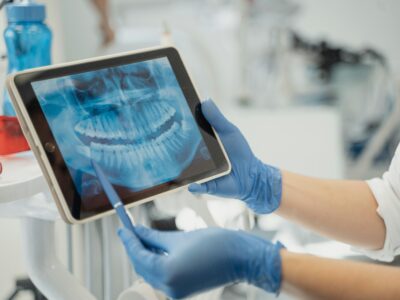
The decision to place a crown should start with diagnosis, not salesmanship. That means examining the tooth clinically, taking appropriate radiographs, checking the bite, evaluating the gumline, and asking specific questions about symptoms. A patient who reports sensitivity to cold has a different set of concerns than a patient who says, “It doesn’t hurt, but half the tooth broke while eating toast.”
Dentists also look at the ferrule effect, which is a technical term for something simple: how much healthy tooth structure remains above the gumline to support a crown. Without enough remaining tooth, the crown may not have the retention or resistance it needs for long-term success. In those cases, treatment can become more complex and may involve crown lengthening, buildup procedures, or, if the tooth is not restorable, a discussion about extraction and replacement.
Occlusion matters too. A beautifully made crown can still fail if the bite is heavy in one area or if the patient grinds at night. Bruxism is a major factor in cracked porcelain, cement failure, and recurrent problems. In Oxnard, as in many communities, patients often juggle stress, variable sleep, and busy schedules, and nighttime clenching is common enough that it should never be treated as an afterthought.
Materials have improved, but there is no universal “best” crown
Patients often ask which crown material is best, hoping for a simple answer. The truth is more useful than simple. The right material depends on where the tooth is located, how much room exists between the upper and lower teeth, the patient’s esthetic expectations, and the functional demands on that tooth.
Porcelain and ceramic crowns remain popular because they can look remarkably natural, especially in visible areas. Modern ceramics can mimic the way enamel reflects light, which matters a great deal for front teeth. Zirconia has become a strong option for many posterior crowns because of its durability, though not every zirconia crown is identical. Monolithic zirconia and layered zirconia behave differently, and each has trade-offs related to strength and appearance.
Porcelain fused to metal crowns still have a place in some cases. They have a long history and can be very serviceable, but some patients dislike the possibility of a dark line near the gum over time, especially if gum recession develops. Gold and high noble alloy crowns are less common than they once were, largely because many patients prefer tooth-colored restorations, yet experienced dentists still respect them. In the right posterior case, they can be exceptionally kind to opposing teeth and highly durable.
The real test is not which material sounds most advanced. It is whether the chosen material suits the tooth, the bite, and the patient’s priorities.
What treatment usually looks like from start to finish
For a traditional crown, treatment often takes two visits, though same-day systems are available in some offices. During the first appointment, the dentist removes decay or old restorative material, reshapes the tooth to create space for the crown, and builds up the core if needed. An impression or digital scan is then taken so the final crown can be fabricated with precise contours and margins. A temporary crown protects the tooth in the meantime.
Temporary crowns are more important than many patients realize. They hold space, shield sensitive areas, and give both patient and dentist a preview of function. If a temporary feels too bulky, traps food, or throws off the bite, that information can improve the final result. I have seen small adjustments at the temporary stage prevent major frustration later.
At the second visit, the dentist removes the temporary and checks the new crown carefully before cementation. This includes fit at the margin, contact with neighboring teeth, color match when relevant, and bite alignment. That last step is crucial. A crown can look excellent and still feel wrong if the bite is high. Even a slight discrepancy can make chewing uncomfortable or create sensitivity in the ligament around the tooth.
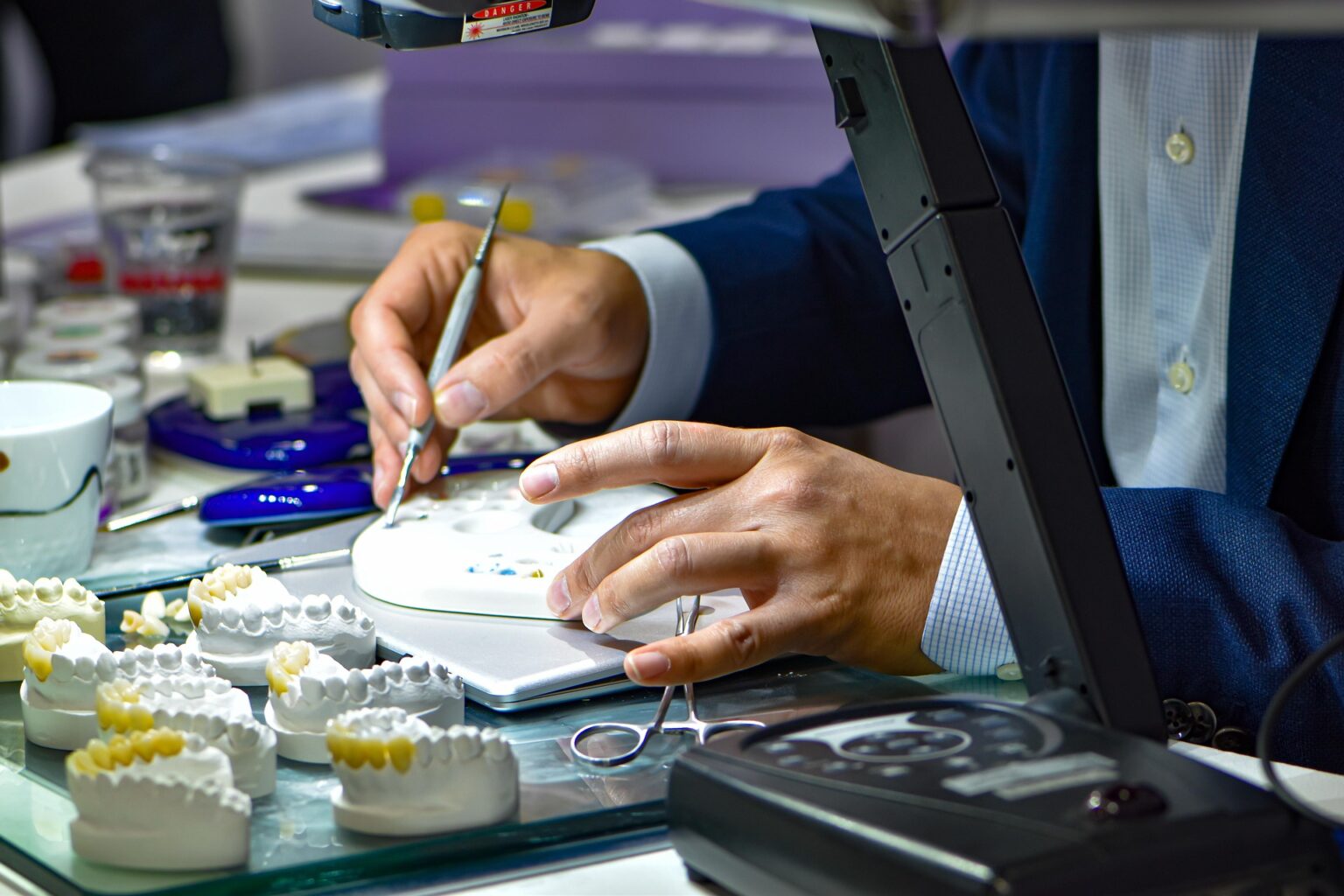
Same-day crowns can be an excellent option for selected cases. They offer convenience and eliminate the need for a temporary, which many patients appreciate. That said, convenience should not override case selection. Some teeth, especially those with challenging esthetics or complex bite demands, may still benefit from a lab-fabricated restoration where a skilled ceramist has more flexibility.
Comfort, recovery, and what patients usually experience
Most crown procedures are routine and manageable. Local anesthesia keeps the appointment comfortable, and afterward the tooth may feel mildly sore or temperature-sensitive for a few days, particularly if significant preparation was required or if the tooth was already irritated before treatment. Some gum tenderness around the area is common as well, especially after impressions or margin work.
What should raise concern is intense pain, a bite that feels obviously uneven, or lingering symptoms that worsen rather than settle. Sometimes a crown simply needs a small occlusal adjustment. In other cases, the underlying nerve was more inflamed than initially apparent. This is why good follow-up matters. Dentistry is not just about the procedure itself. It is also about monitoring how the tooth responds afterward.
Patients with temporaries should be careful with sticky foods, not because temporaries are fragile by definition, but because the temporary cement is designed for easy removal. Losing a temporary is inconvenient, yet it is usually fixable if addressed promptly.
The esthetic side, making a crown look like it belongs
When a crown is placed on a front tooth, patients are not only asking whether it will function. They are asking whether it will disappear into the smile. That takes more than choosing a shade from a guide. Natural teeth are layered, slightly translucent, and full of small asymmetries that create a lifelike result. Matching one central incisor to the neighboring tooth can be among the most demanding jobs in restorative dentistry.
Good photographs, thoughtful shade communication, and a strong relationship with the dental lab all matter here. So does honesty. If a patient wants one front crown to match teeth that vary in color, shape, and wear, there may be limits to how seamless a single restoration can look. Sometimes whitening adjacent teeth first improves the final outcome. In other cases, broader cosmetic planning makes more sense than treating one tooth in isolation.
A crown should not look flat, opaque, or bulky. It should sit in the smile the way a natural tooth would, respecting lip line, gingival contour, and the patient’s facial features.
Cost, value, and the question patients really mean to ask
When people ask how much a crown costs, they are often trying to understand value, not just price. That is a fair question. A crown is more costly than a filling because it involves more time, more planning, more material, and a more complex level of precision. Yet the more important comparison is not crown versus filling in a vacuum. It is crown now versus fracture, reinfection, or tooth loss later.
Insurance may help with part of the cost, though benefits vary widely and often lag behind modern treatment realities. It is common for plans to cover only a portion, especially if annual maximums are low. That can be frustrating, but it should not obscure the clinical issue. If a tooth genuinely needs reinforcement, delaying too long can change the treatment from a crown to extraction and replacement, which is typically far more involved.
Value also lies in execution. A crown that fits well, respects the gums, and is adjusted properly can serve for many years. A crown placed on a poorly diagnosed tooth or with unresolved bite problems can become an expensive disappointment. Patients are right to ask questions about material, longevity, alternatives, and maintenance.
Longevity depends on more than the crown itself
A crown is not a suit of armor that makes a tooth indestructible. The underlying tooth can still decay at the margin if plaque control is poor. The porcelain can chip under heavy grinding. Cement can fail if the preparation lacks retention or if forces are poorly distributed. In other words, crowns last best when the surrounding conditions are healthy.
How long do they last? Many crowns serve well for a decade or more, and some last much longer. But broad averages can mislead. A crown on a patient with excellent hygiene, stable gums, and a night guard may behave very differently from a crown on someone with dry mouth, active decay, or significant bruxism. Longevity is never just a material question. It is a biology and habits question too.
Patients looking for Dental Crowns Oxnard CA should not focus only on the day the crown is placed. They should think about the conditions that will support that crown over the next five, ten, or fifteen years.
Caring for a crowned tooth at home
Daily care is not complicated, but it does need to be consistent. A crown should be brushed and flossed like any natural tooth, with special attention at the gumline where plaque tends to collect. The crown itself cannot decay, but the tooth structure beneath and around it certainly can.
A few habits make a meaningful difference:
- Brush thoroughly twice a day, especially along the crown margin.
- Floss daily and slide the floss carefully under the contact without snapping.
- Wear a night guard if you clench or grind while sleeping.
- Avoid using teeth to open packages or bite hard objects like ice.
- Keep regular exams so minor issues are caught before they become major ones.
This kind of maintenance sounds ordinary because it is. That is precisely why it works. Most long-term success in dentistry comes from ordinary habits done repeatedly.
When a crown is not enough
There are times when a crown cannot solve the underlying problem. A tooth with a deep vertical root fracture is often not salvageable. A tooth with decay extending too far below the gumline may not be restorable in Dental Crowns Oxnard CA a predictable way. Advanced periodontal disease can also compromise the support around a tooth to the point that crowning it would not be wise.
These are difficult conversations, particularly when the tooth has sentimental value or when the patient has already invested in prior treatment. Still, restraint is part of good care. Saving a tooth is a worthy goal, but only if the result is stable and healthy. Sometimes the more honest path is to move toward extraction, implant planning, or another replacement option rather than forcing a heroic restoration with poor odds.
On the other hand, some teeth that initially look questionable can do very well with coordinated care. A root canal, proper buildup, crown lengthening, and a carefully designed final crown can return a severely damaged tooth to comfortable function. The difference lies in diagnosis and case selection.
Choosing a provider for dental crowns in Oxnard
Technical skill matters, but so does process. Patients should feel comfortable asking how the tooth will be evaluated, what alternatives exist, what material is being recommended, and how bite and esthetics will be managed. An office that rushes through those details may still produce acceptable dentistry, but the best restorative work is rarely rushed.
Digital scanning, modern materials, and efficient workflows have improved the crown experience considerably. Yet technology is only part of the picture. The lasting result still depends on preparation design, margin placement, moisture control, laboratory communication, and careful adjustment. Those are human skills, refined over time.
For many people in Oxnard, convenience also matters. Life is busy, and dentistry needs to fit around work, family, and everyday obligations. That is understandable. Still, it is worth balancing convenience with thoroughness. A crown may take only a few appointments, but it is being asked to perform thousands of chewing cycles every week for years.
Restoring more than a tooth
One of the quiet benefits of a successful crown is that people stop thinking about the tooth. They stop avoiding one side of the mouth. They stop testing the cracked edge with their tongue. They stop wondering whether that old filling will break during dinner. The work fades into the background, which is exactly what good restorative dentistry should do.
For patients exploring Dental Crowns Oxnard CA, the most important takeaway is simple: a crown is not just a cap placed on a damaged tooth. It is a carefully planned restoration meant to preserve function, protect remaining structure, and support long-term oral health. When the diagnosis is sound, the material is chosen thoughtfully, and the bite is managed with care, crowns can be one of the most dependable ways to restore a smile that feels strong again.
Omni Dental Specialty
1690 E Gonzales Rd
Oxnard, CA 93036, United States
Phone: +1 805-410-9603
FAQ About Dental Crowns Oxnard CA
What is the average cost of a crown in California?
The fee depends on the crown material, tooth condition and any additional treatment. Request an itemized estimate from Omni Dental Specialty after an examination, and confirm insurance benefits before scheduling.
How long do dental crowns last?
Longevity varies with the material, fit, oral hygiene and biting habits. Regular dental reviews help identify wear, damage or decay. A crown does not need replacement solely because it reaches a particular age.
Do teeth go bad under crowns?
Decay can develop in the remaining natural tooth, particularly near the crown margin. Brush with fluoride toothpaste, clean between teeth daily and keep dental appointments. Report new pain or looseness promptly.
Which crown is best for bruxism?
No material suits everyone. Your dentist assesses grinding, tooth position, bite forces and appearance before recommending a crown. A protective appliance may also be recommended to manage stress on the restoration.