How Dental Crowns in Oxnard CA Can Restore Your Smile
@gunnervije738
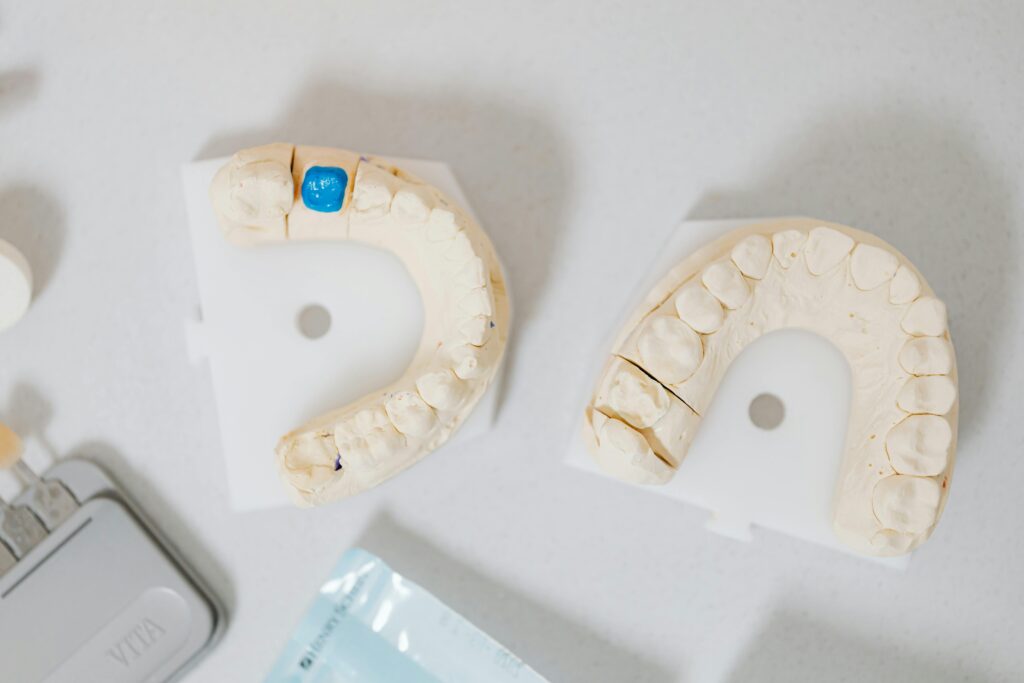

A damaged tooth rarely stays a small problem for long. What starts as a hairline crack, a large cavity, or an old filling that finally gives out can turn eating into a chore and make you think twice before smiling. Dental crowns are often the point where dentistry shifts from patchwork repair to real restoration. When a tooth has lost too much structure to hold a standard filling, a crown can rebuild its shape, strength, and appearance in a way that feels stable again.
For patients looking into Dental Crowns Oxnard CA, the appeal is usually simple. They want the tooth to stop hurting, stop breaking down, and stop drawing attention for the wrong reasons. A well-made crown can do all three. It covers the visible portion of the tooth, protects what remains underneath, and allows your bite to function more normally. In the right situation, it can preserve a natural tooth for many years.
Crowns are common, but they are not all the same, and not every tooth needs one. The best outcomes come from understanding what a crown is meant to fix, what the process actually involves, and what kind of result you can realistically expect.
What a dental crown really does
A dental crown is a custom-made cap that fits over a prepared tooth. That description is accurate, but it undersells its role. A crown does more than cover damage. It redistributes biting forces, seals vulnerable areas, and restores contours that help you chew and speak naturally. If a tooth has become weak after decay, fracture, or root canal treatment, the crown acts like an outer shell that supports the remaining structure.
In practice, the difference can be dramatic. A patient may come in avoiding one side of the mouth because a molar sends a sharp twinge with every crunchy bite. Another may have a front tooth with a large chip that makes them cover their mouth in photos. In both cases, the crown is not cosmetic fluff. It is a structural repair with visible benefits.
The phrase "restore your smile" can sound vague, but there are concrete ways crowns do exactly that. They can bring back a natural tooth shape, improve color and symmetry, close the visual gap created by a broken edge, and make a worn tooth look proportional again. Just as important, they can restore confidence. People often underestimate how much dental discomfort changes daily habits until the problem is finally fixed.
When a crown is usually the right treatment
Dentists recommend crowns when the remaining tooth cannot predictably hold up with a filling alone. That threshold varies from case to case. A small cavity in a strong tooth does not need a crown. A tooth with a huge old silver filling and thin remaining walls often does.
Common situations include:
- A tooth with a large cavity or large failing filling that has weakened the remaining enamel
- A cracked or fractured tooth that needs full coverage to reduce further breakdown
- A tooth that has had a root canal and is more brittle afterward
- A severely worn tooth, often from grinding or acid erosion
- A misshapen or heavily discolored tooth when more conservative cosmetic options are unlikely to last
There is judgment involved here. One of the most important parts of treatment planning is not whether a crown can be done, but whether it should be done now, later, or not at all. Some teeth look rough on an X-ray but still have enough sound structure for a less invasive restoration. Others seem minor at first glance, yet hide cracks below the surface that make a crown the safer choice. Experience matters in that distinction.
Crowns are about protection as much as appearance
Patients often assume crowns are mainly cosmetic because the final result can look so polished. For front teeth, appearance is certainly a major part of the conversation. Shade, translucency, contour, and the way light reflects off the surface all matter. On back teeth, though, strength and fit usually take center stage.
A crown that looks beautiful but sits slightly high can make the bite feel off. A crown that is strong but poorly contoured can trap food and irritate the gum. Good crown work balances multiple goals at once. The tooth needs to be protected, the margins need to seal well, the contact with neighboring teeth should feel natural, and the bite must be adjusted so the restoration carries force properly.
That is why the process is more nuanced than simply placing a cap on a tooth. There is diagnosis, tooth preparation, impression or digital scan, temporary protection, lab communication, final cementation, and fine adjustment. Each step affects the result.
What the process usually looks like
Most traditional crowns are completed over two visits, though same-day technology is available in some offices for selected cases. The first appointment is where the heavy lifting happens. The tooth is numbed, decay or old restorative material is removed, and the tooth is carefully shaped so the crown can fit over it with the proper thickness. Too little reduction and the crown may be bulky or prone to fracture. Too much and healthy tooth structure is sacrificed unnecessarily.
After preparation, the dentist takes either a digital scan or a conventional impression. That record becomes the blueprint for the final crown. Shade selection happens at this stage as well, especially for visible teeth. A temporary crown is then placed to protect the prepared tooth while the lab fabricates the final restoration.
Temporary crowns do not get much attention online, but they matter more than people think. A good temporary keeps the tooth from shifting, protects exposed areas from temperature sensitivity, and gives the gums a chance to settle around the intended shape. Patients who rush through this phase or treat the temporary as indestructible sometimes create avoidable problems, such as loosening it on Dental Crowns Oxnard CA sticky foods.
At the second visit, the temporary is removed and the final crown is tried in. This appointment is not just a handoff. The dentist evaluates the fit at the edges, the contact with neighboring teeth, the shade, and the bite. Small adjustments are common and normal. Once everything looks and feels right, the crown is cemented or bonded in place.
Some same-day crowns condense this timeline. That can be convenient, especially for busy patients, but same-day treatment is not automatically better for every situation. Complex cosmetic cases, very deep bites, or teeth with tricky gum contours may still benefit from a laboratory-fabricated crown and the extra customization that comes with it.
Choosing the right crown material
Not all crowns are made from the same material, and material choice affects strength, appearance, and longevity. The right option depends on where the tooth sits in the mouth, how hard you bite, whether you grind your teeth, and how much of the tooth remains.
Here are the materials patients most often hear about:
- Porcelain or ceramic crowns, valued for a natural appearance, often used on front teeth and many premolars
- Zirconia crowns, known for high strength and increasingly good esthetics, often used on back teeth and for grinders
- Porcelain-fused-to-metal crowns, an older but still useful option in some cases where strength and coverage are priorities
- Gold or high noble metal crowns, less common cosmetically but excellent in durability and gentle wear against opposing teeth
Each has trade-offs. All-ceramic crowns can look very lifelike, but not every ceramic is equally strong. Zirconia holds up well under force, though esthetic layering choices matter if the tooth is highly visible. Porcelain-fused-to-metal crowns have served dentistry well for decades, yet they can sometimes show a dark line near the gum over time if the gum recedes. Gold crowns are exceptionally durable and conservative to opposing teeth, but many patients simply do not want a visible metal restoration.
This is one area where blanket advice does more harm than good. The best crown material for a front upper central incisor is often not the best choice for a lower first molar in a patient who clenches at night.
How crowns can change the way your smile feels
The visual improvement from a crown is easy to understand. The functional improvement is just as meaningful. A tooth that used to catch floss, flex under pressure, or sting with cold can feel ordinary again, which is exactly what most patients want. They do not want to think about the tooth at all.
That return to normal can be surprisingly emotional. Someone who has been chewing on one side for six months may realize, once the crown is placed and adjusted correctly, how much effort they had put into avoiding pain. Another patient who has hidden a chipped front tooth during conversations may suddenly stop doing it without noticing. Restorative dentistry often works this way. The success is not only in what people see, but in what they no longer have to manage.
Crowns can also improve speech in certain situations, especially when a damaged front tooth has lost proper length or contour. Small changes in edge position can affect how air moves for sounds like "f" and "v." Dentists working on front teeth pay attention to this because even an attractive crown can feel wrong if it changes the way a patient talks.
When a crown may not be enough by itself
Crowns are powerful tools, but they are not magic. If a tooth is cracked below the gum line, has too little remaining structure, or has advanced infection or bone loss, a crown may not be the right answer on its own. In some cases, additional treatment is needed first, such as root canal therapy, gum treatment, or a buildup to recreate missing tooth structure. In other cases, the tooth may no longer be restorable and alternatives like extraction and implant replacement need to be discussed honestly.
This is where good diagnosis protects patients from disappointment. A crown cannot rescue a tooth that lacks a stable foundation. It can only protect what is still healthy enough to support it.
There are also times when a more conservative treatment makes more sense. Bonding, inlays, onlays, or veneers may preserve more natural tooth in selected cases. Crowns remain one of the most reliable restorative options in dentistry, but they should not be used by reflex. The best dentistry is appropriate dentistry.
What patients in Oxnard often ask before moving forward
In a community like Oxnard, where patients range from young professionals and growing families to retirees, the questions tend to be practical. How long will the crown last? Will it match my other teeth? Will insurance help? Can I go back to work the same day?
The honest answer to longevity is that crowns can last many years, often well over a decade, but there is no universal expiration date. Lifespan depends on oral hygiene, the quality of the underlying tooth, bite forces, Omni Dental Specialty Dental Crowns Oxnard CA material choice, and habits like clenching, chewing ice, or opening packages with teeth, which still happens more often than dentists would like.
Color matching is usually excellent when the case is planned well. Front teeth sometimes require more discussion because natural enamel is not one flat color. It has depth, translucency, and subtle variation. Patients with very high esthetic expectations benefit from knowing that communication with the lab, and sometimes custom shading, can make a real difference.
As for downtime, most people return to normal activity the same day after the preparation visit, though the tooth can be temporarily sensitive and the jaw may feel a little fatigued from being open for a while. After the final crown is cemented, there may be a short adjustment period as the bite settles in, but the tooth should not feel progressively worse. Persistent pain, pressure when biting, or a floss contact that is impossible to pass deserves prompt follow-up.
The role of bite, grinding, and night guards
One of the most overlooked reasons crowns fail early is uncontrolled bite stress. A crown can be beautifully made and perfectly cemented, yet still chip or loosen if it takes repeated heavy force in the wrong way. Night grinding is a frequent culprit. Many patients do not realize they clench until they start cracking fillings, flattening tooth edges, or waking with jaw soreness.
For those patients, a night guard is not an upsell. It is protective gear. A custom guard can reduce wear on the crown and the natural teeth around it. This matters even more when multiple crowns are involved. Restoring teeth without addressing the habits that damaged them is like fixing a roof while ignoring the leaking pipe in the attic.
Bite design also matters beyond grinding. Teeth move slightly over time. Existing dental work changes the way forces are distributed. If one tooth is missing, neighboring teeth may take on more work. Crowns last longer when they are part of a balanced bite, not isolated repairs in a stressed system.
Caring for a crown so it lasts
A crown cannot decay the way natural enamel does, but the tooth underneath and around it still can. The margin where crown meets tooth is especially important to keep clean. Plaque that sits along that edge increases the risk of recurrent decay and gum inflammation, two of the main reasons crowns need replacement.
Daily care does not need to be complicated, but it does need to be consistent:
- Brush thoroughly along the gumline twice a day with a soft-bristled brush
- Floss every day, sliding carefully around the crown margin rather than snapping down hard
- Limit habits that place extreme force on teeth, such as chewing ice or using teeth as tools
- Keep regular dental visits so small issues can be caught before they threaten the crown
- Wear a night guard if your dentist recommends one for grinding or clenching
Patients sometimes assume a crowned tooth is "taken care of forever." That mindset causes problems. A crown is a restoration, not a permanent shield against all future issues. Good home care and routine exams remain essential.
Cost, value, and why cheaper is not always cheaper
Crowns are an investment, and patients are right to think carefully about cost. Fees vary based on material, complexity, whether additional treatment is needed, and how the office handles laboratory work and technology. Insurance may offset part of the cost when a crown is medically necessary, though coverage details differ widely.
The more useful question is often value rather than sticker price. A crown that fails because of poor fit, rushed planning, or low-quality materials can cost far more in retreatment, lost time, and discomfort than doing it correctly the first time. That does not mean the most expensive option is automatically the best. It does mean the cheapest option should be evaluated carefully.
A good crown should fit precisely, respect the gum tissue, function comfortably, and suit the demands of that particular tooth. Those outcomes depend on more than the crown itself. They depend on diagnosis, preparation design, bite management, and follow-up.
Finding the right provider for Dental Crowns Oxnard CA
If you are researching Dental Crowns Oxnard CA, look beyond marketing language and focus on the quality of the conversation during the exam. A strong consultation usually includes clear images or X-rays, an explanation of why the tooth needs a crown rather than another treatment, a discussion of material options, and an honest review of limitations. You should leave understanding not just the procedure, but the reason for it.
It also helps to ask practical questions. Will the office use digital scanning or traditional impressions? Will you have a temporary crown? If the tooth is in the smile line, how is shade matching handled? If you grind your teeth, how will that affect the treatment plan? These are not minor details. They shape the final result.
Patients often remember the technical side of a crown, but the communication side matters just as much. Dentistry goes more smoothly when expectations are discussed before the tooth is prepared, not after the final crown is seated.
A stronger, more comfortable smile
Dental crowns sit at the intersection of health, function, and appearance. They protect teeth that might otherwise continue to crack or decay. They rebuild chewing surfaces that let you eat comfortably again. They can also restore a smile in a way that looks natural rather than repaired.
The best crown work feels uneventful once it is finished. You chew without guarding the tooth. You smile without thinking about the damage that used to be there. You stop planning around discomfort. For many patients, that quiet return to normal is the real measure of success.
If you have a tooth that is breaking down, already heavily filled, or making you self-conscious when you smile, a crown may be the treatment that turns a recurring problem into a stable solution. Done thoughtfully, with the right material and a careful fit, it can restore far more than a tooth. It can restore ease, confidence, and trust in your smile.
Omni Dental Specialty
1690 E Gonzales Rd
Oxnard, CA 93036, United States
Phone: +1 805-410-9603
FAQ About Dental Crowns Oxnard CA
What is the average cost of a crown in California?
The fee depends on the crown material, tooth condition and any additional treatment. Request an itemized estimate from Omni Dental Specialty after an examination, and confirm insurance benefits before scheduling.
How long do dental crowns last?
Longevity varies with the material, fit, oral hygiene and biting habits. Regular dental reviews help identify wear, damage or decay. A crown does not need replacement solely because it reaches a particular age.
Do teeth go bad under crowns?
Decay can develop in the remaining natural tooth, particularly near the crown margin. Brush with fluoride toothpaste, clean between teeth daily and keep dental appointments. Report new pain or looseness promptly.
Which crown is best for bruxism?
No material suits everyone. Your dentist assesses grinding, tooth position, bite forces and appearance before recommending a crown. A protective appliance may also be recommended to manage stress on the restoration.