How Dental Crowns in Oxnard CA Support Long-Term Oral Health
@gunnervije738
A dental crown often enters the conversation when a tooth has already been through a lot. Maybe it cracked on a popcorn kernel, carried a large filling for years, or weakened after root canal treatment. Patients sometimes think of a crown as a repair for a single bad tooth, and that is partly true. What matters more over time is the bigger role it plays. A well-made crown can protect function, reduce future damage, and help preserve the balance of the entire bite.
That long view matters in a place like Oxnard, where people want dentistry that holds up to real life. Teeth are not static. They absorb stress every time you chew, clench, sip something acidic, or grind at night without realizing it. When a damaged tooth is left unprotected, the effects rarely stay isolated. Cracks deepen, chewing shifts to one side, surrounding teeth take on extra force, and gum irritation can start around rough or broken edges. Restoring that tooth with the right crown at the right time often prevents a small structural problem from becoming a much larger oral health issue.
A crown does more than cover a tooth
The simplest way to describe a crown is that it caps a damaged tooth. The more accurate description is that it restores the tooth’s shape, strength, and function while protecting what remains underneath. That distinction is important.
When a tooth loses significant structure, whether from decay, fracture, wear, or a large old filling, it becomes less predictable under pressure. Natural enamel is remarkably strong, but once it is undermined, the tooth can flex in ways it was never meant to. A crown redistributes biting forces across the tooth so one weak wall is not taking the full load every time you chew.
That is why crowns are often recommended after root canal therapy on back teeth. A molar that has had a root canal may no longer be in pain, but it is also more brittle than before. Without a crown, it is not unusual for that tooth to split months or even years later. At that point, what could have been a straightforward restoration can turn into an extraction.
In practice, crowns help with three long-term goals at once. They preserve the tooth itself, maintain chewing efficiency, and support a healthier bite pattern across the mouth. Those are not cosmetic side benefits. They are central to oral health.
The hidden cost of waiting too long
People usually do not postpone treatment because they are careless. More often, they are busy, the tooth is not hurting much, or they assume a small crack can wait. The trouble is that teeth do not heal the way skin or bone can. Once structure is lost, the best option is to reinforce what remains before the damage spreads.
A tooth with a failing large filling is a common example. The filling may have done good service for ten or fifteen years, but fillings do not last forever. Margins wear down, tiny gaps can form, and the surrounding tooth may begin to fracture. A patient might notice food trapping, sensitivity to cold, or an odd twinge when biting on one side. Those symptoms can come and go, which creates a false sense of safety.
What often happens next is that a small fracture line becomes a larger split. Then the decision is no longer crown versus no crown. It becomes crown versus extraction, implant, or bridge. That is a very different conversation in terms of time, cost, and biological impact.
For many patients seeking Dental Crowns Oxnard CA services, the most valuable part of treatment is not just repairing what is broken today. It is avoiding the cascade of problems that follows untreated structural damage.
When a dentist recommends a crown
Not every damaged tooth needs a crown. Conservative care still matters. If a small cavity can be restored with a filling and the remaining tooth is strong, that is often the right call. Crowns are generally reserved for situations where the tooth needs more comprehensive reinforcement.
A crown may be the better choice when a tooth has lost enough structure that a filling would act more like a wedge than a repair. This is common with large cavities, fractured cusps, worn-down teeth, and heavily restored molars. It is also common in cosmetic rehabilitation when the goal is to rebuild both form and durability, not just appearance.
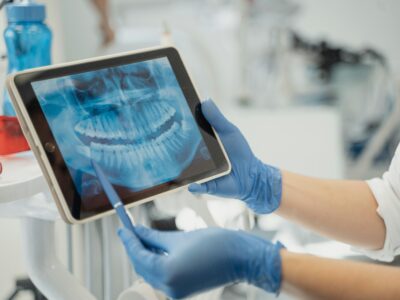
There is judgment involved here, and experience matters. Two teeth can look similar on an X-ray yet behave very differently in the mouth. Bite forces, crack patterns, old restorations, grinding habits, and gum condition all affect the decision. The best treatment plans usually come from combining imaging with a direct clinical exam and a careful history of symptoms.
Long-term oral health starts with stable chewing function
If you ask patients what they want from a crown, many will say they want to save the tooth. Dentists want that too, but they also want the tooth to function well with everything around it. A crown that simply covers a tooth is not enough. It needs to fit the bite, protect the gumline, and allow the patient to chew comfortably and clean effectively.
Chewing on one side because of a weak or painful tooth can set off a chain reaction. The overused side may become sore. Opposing teeth may supra-erupt slightly over time. Jaw muscles can tighten. Patients who grind often wear certain teeth faster when their bite becomes unbalanced. None of that happens overnight, but it is common enough that clinicians watch for it.
A properly designed crown helps restore even contact and smoother chewing mechanics. That can reduce overload on nearby teeth and make it easier for the whole system to work as intended. In that sense, a single crown often supports far more than one tooth.
Material choice affects durability, appearance, and wear
Patients are often surprised to learn Dental Crowns Oxnard CA there is no single crown material that is best for every case. The right choice depends on location, bite force, esthetic goals, and how much natural tooth remains.
All-ceramic crowns are popular because they can look very natural, especially on front teeth and visible premolars. Modern ceramics are stronger than older generations, but strength varies by type. Some ceramics are prized for lifelike translucency, while others are selected for higher fracture resistance. Zirconia, for example, is widely used in back teeth because it can tolerate significant biting force when properly designed.
Porcelain fused to metal crowns are still used in some situations and have a long track record. They can be durable, though esthetics may be less ideal in highly visible areas, especially if the gums recede over time and a dark margin becomes visible. Full metal crowns, often gold alloy in traditional dentistry, remain one of the most durable and conservative options for some molars, though many patients prefer tooth-colored materials.
This is where practical trade-offs matter. A patient with heavy clenching and limited space may not be the best candidate for the most delicate esthetic ceramic. On the other hand, a front tooth in a patient with low bite stress may benefit from a material chosen primarily for appearance. Good dentistry is rarely one-size-fits-all.
Fit at the gumline matters more than many people realize
A crown can look beautiful and still fail if the margin is poor. The margin is the edge where the crown meets the natural tooth. If that junction is rough, open, or placed poorly relative to the gum tissue, plaque tends to accumulate. Over time, that can contribute to inflammation, decay at the edge of the crown, bad breath, and tenderness during brushing or flossing.
This is one reason why long-term success is tied to precision. Accurate impressions or scans, careful tooth preparation, and high-quality lab work all make a difference. So does the placement itself. A crown should not feel bulky or trap floss in a way that shreds it repeatedly. Those are small signs that often point to bigger fit issues.
Patients sometimes assume that because a crowned tooth is covered, it is safe from future decay. That is not quite right. The crown material itself cannot decay, but the tooth underneath still can, especially at the margin. A well-made crown lowers risk by sealing and protecting the tooth, but home care and regular exams are still essential.
Crowns and gum health are closely connected
Healthy gums are not separate from restorative dentistry. They are part of it. When a crown emerges naturally from the gumline and matches the contours of a healthy tooth, the tissue tends to stay calmer and easier to clean. When a crown is overcontoured, too wide, or difficult to floss around, the gums often respond with chronic irritation.
This matters over years, not just weeks. Persistent inflammation around one tooth can contribute to deeper pockets, bleeding, and recession. Recession can then expose root surfaces and make the area more sensitive. In visible parts of the mouth, it can also compromise appearance. Much of this is preventable when the crown is designed with periodontal health in mind from the start.
Patients who already have a history of gum disease need especially careful planning. In those cases, crown margins, cleaning access, and maintenance intervals deserve extra attention.
The role of crowns after root canal treatment
One of the most predictable ways crowns support long-term oral health is by protecting root canal treated teeth. Once infection or inflammation inside a tooth has been managed, the next challenge is structural. The tooth is often missing substantial internal and external tissue. It may no longer have the same moisture balance or flexibility it had before treatment, and large access openings weaken the crown portion of the tooth.
Back teeth take the brunt of chewing force. Without reinforcement, these teeth are vulnerable to fracture, often in ways that make them unrestorable. That is why many dentists recommend a crown soon after root canal therapy on molars and many premolars.
Patients sometimes delay this step because the pain is gone and the tooth feels fine. Clinically, that can be a risky pause. A root canal without proper final restoration is only half the job. The infection may be resolved, but the tooth is still structurally at risk.
Crowns can prevent more invasive treatment later
One of the strongest arguments for timely crown treatment is what it may help avoid. Saving a compromised natural tooth is usually simpler and more biologically conservative than replacing a missing one later.
If a tooth fractures beyond repair, the next options might include an implant, a bridge, or a removable prosthesis. Each can be an excellent treatment in the right situation, but each is also more involved than restoring an existing tooth with a crown. Healing time, bone changes, adjacent tooth preparation, surgical considerations, and overall cost all increase.
From a long-term perspective, preserving natural tooth structure whenever possible is usually the better path. That does not mean every tooth can or should be saved at all costs. Some teeth are too damaged, cracked below the gumline, or compromised by severe decay or bone loss. But when a tooth is still restorable, a crown often represents the turning point between preservation and eventual replacement.
What patients should expect from the process
Modern crown treatment is more comfortable and precise than many people expect. While techniques vary by office, the basic process follows a familiar pattern. The tooth is shaped so the final restoration can fit securely, records are taken with either impressions or digital scans, and a temporary crown may be worn while the final one is made. At the delivery visit, fit, contacts, and bite are checked carefully before cementation.
A few practical points help patients judge whether things are going well:
- The temporary crown should feel serviceable, even if it is not perfect.
- The final crown should not feel high when biting or create a new chewing hesitation.
- Floss should pass with light resistance, not snap painfully or shred repeatedly.
- Mild temperature awareness can happen at first, but persistent pain deserves a prompt check.
- The gum should settle, not stay chronically puffy or tender around the crown.
Those details may sound small, but they matter. Many long-term problems begin as short-term annoyances that were never adjusted.
How long crowns last, and what shortens their lifespan
No dentist can honestly guarantee that a crown will last forever. That said, many crowns last well over a decade, and some last much longer. Longevity depends on the original condition of the tooth, material choice, bite forces, oral hygiene, and the quality of the fit.
The biggest threats are usually not dramatic failures. More often, crowns fail gradually. Decay can start at the margin. Cement can wash out around a compromised edge. A patient who clenches heavily may chip the porcelain or crack the underlying tooth. Gums can recede, exposing vulnerable root structure near the crown.
Night grinding deserves Dental Crowns Oxnard CA special mention because it is often underestimated. Patients who say, “I do not grind,” sometimes show textbook wear facets and muscle tenderness. In those cases, a night guard can extend the life of both crowns and natural teeth significantly.
Home care that protects the investment
A crown is not difficult to maintain, but it does require consistency. The goal is to keep the crown margin and surrounding gums as clean as possible while reducing avoidable mechanical stress.
Here are the habits that make the biggest difference over time:
- Brush thoroughly twice a day with a soft-bristled brush and fluoride toothpaste.
- Clean between teeth daily, using floss or interdental aids that fit properly.
- Keep regular recall visits so small margin problems are found early.
- Wear a night guard if your dentist recommends one for clenching or grinding.
- Do not use crowned teeth as tools for opening packages or biting hard objects.
What matters most is less about perfection and more about repetition. A well-made crown plus average home care often outperforms an excellent crown followed by neglect.
Why local context matters when choosing care in Oxnard
Dentistry is local in ways patients do not always think about. Follow-up care matters. Bite adjustments matter. So does the ability to return easily if a temporary comes loose, a gum area stays sore, or a high spot appears after the anesthetic wears off. Crown treatment is not just about the day it is cemented. It is about how that restoration functions in the months and years that follow.
For patients researching Dental Crowns Oxnard CA, it helps to look beyond surface-level marketing. Ask how the office evaluates cracked teeth, what materials they tend to recommend for molars versus front teeth, and how they handle bite refinements after placement. Those conversations often reveal more about quality than a long list of generic promises.
Oxnard patients also bring a wide range of needs. Some are restoring a single broken tooth. Others are trying to stabilize a mouth affected by years of wear, old dentistry, or postponed treatment. In both cases, the best crown work tends to come from careful diagnosis and a treatment plan that respects both immediate concerns and long-term oral health.
A well-timed crown can change the future of a tooth
There is a practical elegance to a good crown. It does not call attention to itself. It lets a weakened tooth function again without pain, without instability, and without setting off trouble elsewhere in the mouth. For patients, that often means being able to chew normally, smile comfortably, and stop worrying about the next crack or flare-up.
The long-term value lies in prevention as much as repair. Crowns help preserve teeth that might otherwise fracture, protect teeth after root canal treatment, support healthier gum contours, and keep the bite working in a more stable way. When planned well and maintained properly, they are one of the most reliable tools restorative dentistry has for protecting oral health over time.
That is the real significance of crowns. They are not simply caps placed over damaged teeth. They are part of a broader strategy to keep the natural dentition healthy, functional, and serviceable for as long as possible.
Omni Dental Specialty
1690 E Gonzales Rd
Oxnard, CA 93036, United States
Phone: +1 805-410-9603
FAQ About Dental Crowns Oxnard CA
What is the average cost of a crown in California?
The fee depends on the crown material, tooth condition and any additional treatment. Request an itemized estimate from Omni Dental Specialty after an examination, and confirm insurance benefits before scheduling.
How long do dental crowns last?
Longevity varies with the material, fit, oral hygiene and biting habits. Regular dental reviews help identify wear, damage or decay. A crown does not need replacement solely because it reaches a particular age.
Do teeth go bad under crowns?
Decay can develop in the remaining natural tooth, particularly near the crown margin. Brush with fluoride toothpaste, clean between teeth daily and keep dental appointments. Report new pain or looseness promptly.
Which crown is best for bruxism?
No material suits everyone. Your dentist assesses grinding, tooth position, bite forces and appearance before recommending a crown. A protective appliance may also be recommended to manage stress on the restoration.